|
Home - The Village Today - History - Maps - Memories - Newspapers - Picture Gallery - World Wars |
|
Home - The Village Today - History - Maps - Memories - Newspapers - Picture Gallery - World Wars |
The Brenda Parker Section Introduction - St Wilfrid's Church - General Photographs - General items - School Photographs People Photographs - Building Photographs - Scene Photographs - Newspaper Cuttings - Comments
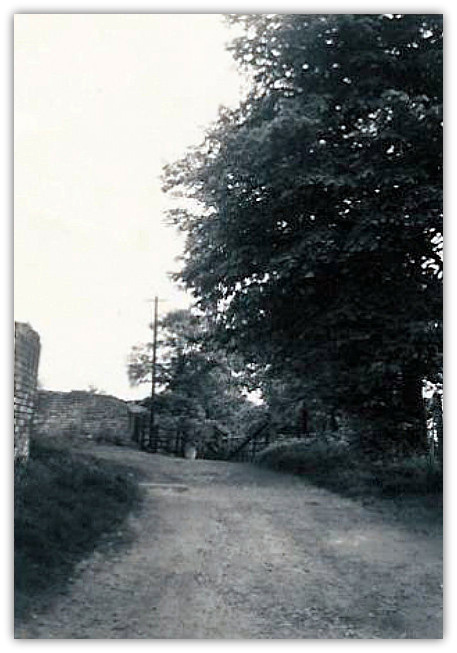
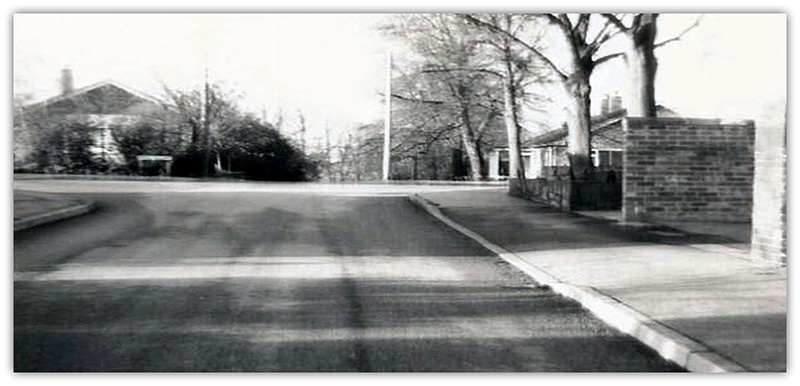
Introduction and Brenda's Memories West Hallam in the 1940s Cock Orchard led to the village by way of Grange Farm, the home of the Morris family for many a year. There was a good rookery in a small wood there and there was an annual rook shoot for many years. Cock Orchard had a fine avenue of lime trees, one was planted for each year of Queen Victoria’s reign. The perfume under these trees was wonderful when the blossom was out. At the top of Cock Orchard was a house where Mrs. Morris senior lived and then there were the curved brick walls of the West Hallam Hall which was pulled down just before the war to make way for Nissan huts which were built for the army. On the other side there was still a large indentation in the ground where cock fights had once been held. At the top of Cock Orchard, Hall Court goes off to the right where the entrance to West Hallam Hall once stood. The curved boundary walls can be seen on the left of the first picture below. Orchard Close was built on land at the back of the old boys’ school, where the cock pit was situated.
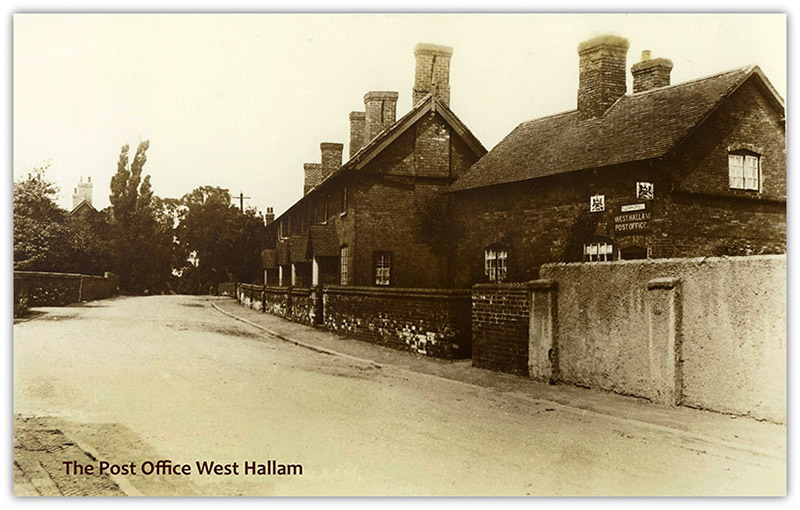
In these two pictures, it shows what a difference 50 years can make although the same trees are still on the right of both pictures The Junior School where Miss Clarke was the headmistress was on the left coming onto School Square. I enjoyed school life here in the village. Miss Clarke was an excellent needlewoman and inspired us all with her knowledge of history. I enjoyed country dancing, singing the old folk songs, listening to the tales of knights, chivalry and adventures by Enid Blyton, sewing, reading, painting, learning about the British Empire and all the other things that went to make up junior school days in the 1940s. School Square was a rough track with a silty stream running diagonally across it. When it rained it was quite an art keeping out of the water. But more of school days later. Opposite School Square was a small shop which had once been the village post office. Eric Robinson of the radio’s Music for You fame was billeted when he was stationed at the depot. He ran the Blue Rockets dance band which played at many local hops.
Turning left from here was the part of the village leading to Beech Lane. Bernard Mellor’s undertaking business was in the garages just around the corner.
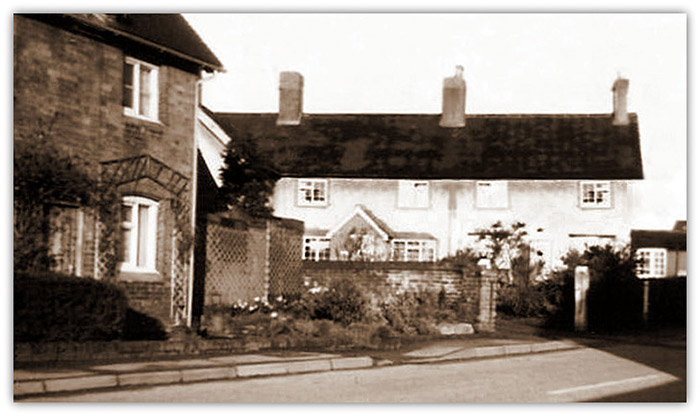
Poplar Farm, the home of the Pegg family stood on the left hand side of the road leaving the village. Fields came next with a fine pond where we used to collect frog spawn to keep in jam jars at school and watch the tiny frogs develop before releasing them back into the pond. The rec. was opposite. The huge roller was a source of enjoyment for all the children as were the tall trees that we used to play around. They had little secret fairy doors at the bottom and we had many an adventure there watching to see if the fairies would emerge. Scargill School or the big school as it was called locally stood next to the rec. They had a very practical curriculum which included bee keeping (started with a swarm of bees from one of my father’s hives) and vegetable gardening for the school kitchens and school dinners as well as the more usual secondary school subjects. Coming back into the village came Barney Fields. A useful footpath led to High Lane West across these fields and lay approximately where Hallam Way goes down today. There was a super weeping willow tree at the bottom of the hill which we found easy to climb. To our childish minds this became a galleon in full sail on windy days or was a good hiding place on calm days. This tree sheltered us one day when an angry bull got out and chased us. We sat in the branches with the irate bull snorting and pacing beneath us, until his owner, Billy Pegg came to lead him away. The hedgerows were full of bluebells, cowslips, harebells, foxgloves, gilly flowers, Ladies lace and wild roses. We knew where every bird nested, where we could see voles, shrews and weasels and what part of the brook had minnows. It was a sad day when the open cast mining moved into the Square and ripped open the fields, destroying their beauty for ever. There were always hens on the lane along this part of Beech Lane and we often met cows going back to the fields after milking. I remember my first winter at school when it snowed so heavily in 1947. The men folk dug a trench through the deep snow along Beech Lane where the drifting was bad, so that people could reach the village. The old cottages of the village itself are almost as they were with a few new houses in between. Bosworth's farm and butcher’s shop was right in the village. Next door to it was a wooden shack. This was the cobblers and next to that was the forge at the side of the Punch Bowl. Opposite was the third post office of the village. This was run by Mr. Hunt. Both he and his wife always wore spotless white, well starched overalls when working in the shop. When sweets were still on ration we used to buy half an ounce of balm to chew on the way home. Looking back on it now, eating yeast seems awful but we enjoyed it. Next to the post office was a coal yard where Mr. Lomas kept coal ready for delivery to the houses in the village. Originally this was where the wheelwright worked. He kept the village carts supplied with new wheels and mended the old and broken wheels. There were many farms in West Hallam in former times so he was kept busy. The site is now the village hall garden. The Infants school stood next to the church gates. It was here that I had my early schooling under the watchful eye of Miss Hartshorne. The school room was high and vaulted and there was a big fireplace with a black fireguard. The windows were set high in the wall to stop young eyes from looking out and being distracted from school work. Inside the fireguard was kept the big coal scuttle and poker ready to stoke the fire on winter days to keep us warm. On the left of the fireplace was the teacher’s desk. It was large and made of wood with an inbuilt seat and it faced all the desks and tables where the children sat. All the classrooms of my schooldays had these desks for teachers so that they could keep a watchful eye on their young pupils. Sunday School for the younger children was held in the infant classroom and we coloured in pictures to tell the stories that had been read to us by our Sunday School teachers. The hall also had a high vaulted ceiling and was often used for village functions such as weddings, harvest suppers and socials. Socials were an important part of village life before television became a part of every day life. Any local talent such as singing, reciting monologues, mime, story telling, dancing and conjuring was rehearsed ready for these enjoyable evenings to entertain village families and help raise money for various events.
In the foreground stands Bosworth’s Farm. Going clockwise, the tiny roof of the cobbler’s hut can be seen, followed by the building that was originally the forge. The Punch Bowl can be seen set at the pavement edge, followed by the cottages which were where the original West Hallam school stood. The School Square building was later erected for the education of local boys and the smaller building at the side of the Church entrance was built for girls some years later.  Disclaimer - Copyright - Is this page correct? Something wrong or missing? Please let me know. Also contributions very welcome |